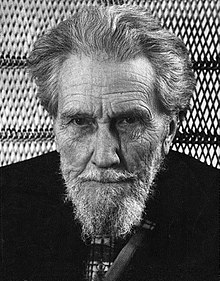
(EXTRAÍDO DE EZRA POUND, EXULTATIONS,
ELKIN MATHEWS, LONDRES, 1909. TRADUCCIÓN DE JUAN ARABIA, BUENOS AIRES
POETRY, 2019.)
BALADA DEL BUEN COMPAÑERO
SIMÓN DE ZELOTE PRONUNCIA ESTO
UN TIEMPO DESPUÉS DE LA CRUCIFIXIÓN.
¿Hemos perdido al mejor compañero de todos
Por culpa de sacerdotes y el árbol del ahorcado?
Sí, amante era él de hombres fuertes,
Del mar abierto y de los barcos.
Cuando vinieron con soldados a buscar a Nuestro
Hombre
Era agradable ver su sonrisa,
“¡Primero dejen que estos se vayan!”, dijo nuestro Buen Compañero,
“O los veré condenados”.
Sí, él nos liberó de las altas lanzas cruzadas,
Y el desprecio de su risa resonó libre,
“¿Por qué no me apresaron cuando caminaba
Solo por la ciudad”, les preguntó.
Bebimos a su “Salud” el buen vino tinto
Cuando le hicimos compañía por última vez,
No era un sacerdote castrado el Buen Compañero,
Un hombre entre los hombres era él.
Lo he visto conducir a cientos de hombres
A su voluntad con un azote de sogas,
Para tomar la alta casa sagrada
Como posesión y tesoro.
No lo atraparán en un libro me parece,
Aunque ellos lo escriban astutamente;
Ningún ratón de los pergaminos fue el Buen Compañero,
Sino un amante del mar abierto.
Si creen que han atrapado a nuestro Buen Compañero
Son unos tontos hasta el último grado.
“Iré a la fiesta”, dijo nuestro Buen Compañero,
“Aunque termine en el árbol del ahorcado”.
“Ustedes me han visto curar ciegos y lisiados,
Y despertar a los muertos”, dijo,
“Verán algo que todo la ha de superar:
Así es cómo un hombre valiente muere en el árbol”.
Un hijo de Dios era el Buen Compañero
Nos pidió que fuéramos sus hermanos.
Lo he visto acobardar a miles de hombres.
Lo he visto sobre el árbol.
No lanzó ni un grito cuando le penetraron los
clavos
Y la sangre se derramó libre y cálida,
Los sabuesos del rojo cielo aullaron
Pero él no lanzó ni un grito.
Lo he visto acobardar a miles de hombres
En las colinas de Galilea,
Ellos gemían mientras él caminaba tranquilo,
Con sus ojos grises como el océano.
Como el mar que no admite travesías
Con los vientos libres y desencadenados,
Como al mar que acobardó a Genereset
Cuando él de repente pronunció dos palabras.
Un maestro de los hombres era el Buen Compañero,
Amigo del viento y del mar,
Si creen que han matado a nuestro Buen Compañero
Son tontos para la eternidad.
Lo he visto comer miel de los panales
Luego de que lo clavaran al árbol.
–
BALLAD OF THE GOODLY FERE
SIMON ZELOTES SPEAKETH IT
SOMEWHILE AFTER THE CRUCIFIXION.
Ha’ we lost the
goodliest fere o’ all
For the priests and the gallows tree?
Aye lover he was of brawny men,
O’ ships and the open sea.
When they came
wi’ a host to take Our Man
His smile was good to see,
“First let these go!” quo’ our Goodly Fere,
“Or I’ll see ye damned,” says he.
Aye he sent us
out through the crossed high spears
And the scorn of his laugh rang free,
“Why took ye not me when I walked about
Alone in the town?” says he.
Oh we drank his
“Hale” in the good red wine
When we last made company,
No capon priest was the Goodly Fere
But a man o’ men was he.
I ha’ seen him
drive a hundred men
Wi’ a bundle o’ cords swung free,
That they took the high and holy house
For their pawn and treasury.
They’ll no’ get
him a’ in a book I think
Though they write it cunningly;
No mouse of the scrolls was the Goodly Fere
But aye loved the open sea.
If they think
they ha’ snared our Goodly Fere
They are fools to the last degree.
“I’ll go to the feast,” quo’ our Goodly Fere,
“Though I go to the gallows tree.”
“Ye ha’ seen me
heal the lame and blind,
And wake the dead,” says he,
“Ye shall see one thing to master all:
‘Tis how a brave man dies on the tree.”
A son of God
was the Goodly Fere
That bade us his brothers be.
I ha’ seen him cow a thousand men.
I have seen him upon the tree.
He cried no cry
when they drave the nails
And the blood gushed hot and free,
The hounds of the crimson sky gave tongue
But never a cry cried he.
I ha’ seen him
cow a thousand men
On the hills o’ Galilee,
They whined as he walked out calm between,
Wi’ his eyes like the grey o’ the sea.
Like the sea
that brooks no voyaging
With the winds unleashed and free,
Like the sea that he cowed at Genseret
Wi’ twey words spoke’ suddently.
A master of men
was the Goodly Fere,
A mate of the wind and sea,
If they think they ha’ slain our Goodly Fere
They are fools eternally.
I ha’ seen him
eat o’ the honey-comb
Sin’ they nailed him to the tree.